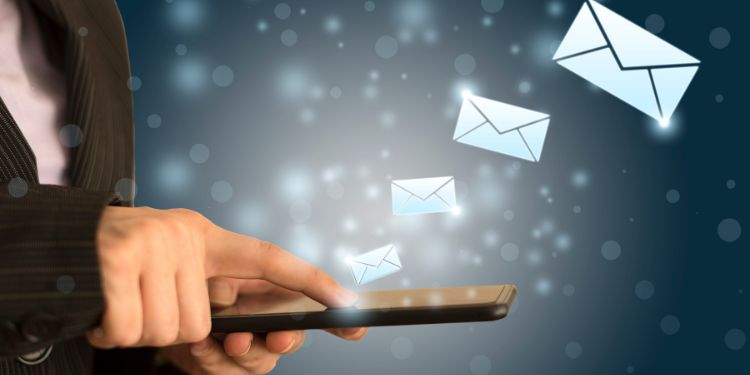
Email marketing remains one of the most powerful digital channels for driving conversions and building long-term customer relationships. However, growing your list is only half the battle – keeping subscribers engaged is what truly determines your ROI. If your open rates are dropping and unsubscribe rates are rising, it’s time to refine your strategy. To successfully reduce unsubscribes and increase email engagement, you need a thoughtful approach that focuses on relevance, value, and trust from the very first email.
In this guide, we’ll explore proven strategies that help boost open rates, improve click-through performance, and strengthen subscriber retention.
Why Subscribers Unsubscribe
Before fixing the problem, it’s important to understand why people leave your list in the first place. Common reasons include:
- Receiving emails too frequently
- Irrelevant or generic content
- Overly promotional messaging
- Poor personalization
- Misleading subject lines
- Lack of value
When subscribers feel overwhelmed or disconnected from your content, they opt out. The solution lies in delivering the right message, to the right person, at the right time.
1. Segment Your Email List
Sending the same message to your entire list rarely works. Segmentation allows you to group subscribers based on demographics, behaviors, purchase history, or engagement level.
For example:
- New subscribers vs. long-term customers
- Frequent buyers vs. inactive users
- B2B leads vs. B2C customers
By tailoring content to each segment, your emails become more relevant and valuable. Segmented campaigns consistently see higher open and click-through rates compared to one-size-fits-all blasts.
2. Personalize Beyond the First Name
Personalization is more than inserting someone’s first name into a subject line. True personalization uses behavioral data and preferences to craft messages that resonate.
Effective personalization tactics include:
- Recommending products based on browsing history
- Sending location-specific offers
- Acknowledging past purchases
- Triggering emails based on user actions
The more relevant your content feels, the more likely subscribers are to stay engaged rather than unsubscribe.
3. Improve Your Subject Lines
Subject lines are the gateway to engagement. If they fail to spark interest, your emails won’t get opened.
Tips for stronger subject lines:
- Keep them concise (6–10 words)
- Create curiosity without being misleading
- Focus on benefits, not hype
- Use numbers or actionable language
Avoid spammy phrases like “Act Now!!!” or “Limited Time Offer” if they don’t match the email content. Authenticity builds trust and helps reduce churn.
4. Optimize Sending Frequency
Too many emails can overwhelm subscribers. Too few can cause them to forget who you are. Finding the right balance is key.
Analyze:
- Open rate trends
- Engagement drop-off patterns
- Unsubscribe spikes
Some audiences prefer weekly emails, while others respond better to bi-weekly or monthly updates. Testing frequency adjustments can significantly help reduce unsubscribes and increase email engagement over time.
5. Deliver Consistent Value
Every email should answer the subscriber’s unspoken question: “What’s in it for me?”
Consider including:
- Educational insights
- Industry tips
- Exclusive discounts
- Helpful resources
- Case studies
- Insider updates
If every message is a hard sales pitch, subscribers will tune out. Mixing value-driven content with promotional offers builds long-term loyalty.
6. Make Your Emails Easy to Read
Poor formatting kills engagement. Modern readers skim content quickly, especially on mobile devices.
Best practices:
- Use short paragraphs
- Add clear subheadings
- Include bullet points
- Ensure mobile responsiveness
- Use strong, visible CTAs
Over 50% of emails are opened on mobile devices, so design and readability matter more than ever.
7. Use Clear and Compelling CTAs
A call-to-action should be obvious and benefit-focused. Avoid vague buttons like “Click Here.” Instead, try:
- “Download the Guide”
- “Book My Free Call”
- “Claim My Discount”
- “See Pricing Details”
When subscribers know exactly what they’ll get, they’re more likely to take action.
8. Run Re-Engagement Campaigns
Inactive subscribers can hurt your deliverability and engagement rates. Instead of immediately removing them, send a re-engagement campaign.
You might:
- Offer a special incentive
- Ask for preferences updates
- Provide a survey
- Send a “We Miss You” message
If they remain inactive after multiple attempts, consider cleaning your list. A smaller, engaged list is more valuable than a large inactive one.
9. Monitor and Analyze Metrics
Data reveals what’s working and what isn’t. Key email metrics to track include:
- Open rate
- Click-through rate (CTR)
- Bounce rate
- Unsubscribe rate
- Conversion rate
Regular analysis helps identify patterns and areas for improvement. Continuous optimization is essential to sustain high engagement levels.
10. Set Expectations From the Start
When someone subscribes, clearly communicate:
- What type of content they’ll receive
- How often they’ll hear from you
- The value they can expect
A strong welcome email series builds trust and sets the tone for future communication. When expectations align with delivery, subscribers are less likely to opt out.
Final Thoughts
Email engagement doesn’t improve overnight, but consistent optimization delivers measurable results. By segmenting your audience, personalizing content, refining subject lines, and delivering meaningful value, you can successfully reduce unsubscribes and increase email engagement in a sustainable way.
Remember, email marketing is about relationships. Focus on relevance and authenticity, and your subscribers will reward you with loyalty, clicks, and conversions.
Let’s Improve Your Email Marketing Results
At Strzec, we help businesses create high-performing email campaigns that drive engagement, retention, and ROI. From strategy and automation to design and analytics, our team builds email systems that convert. Contact us at info@strzec.com or call (877) 767-7711 to learn more about optimizing your email marketing today.